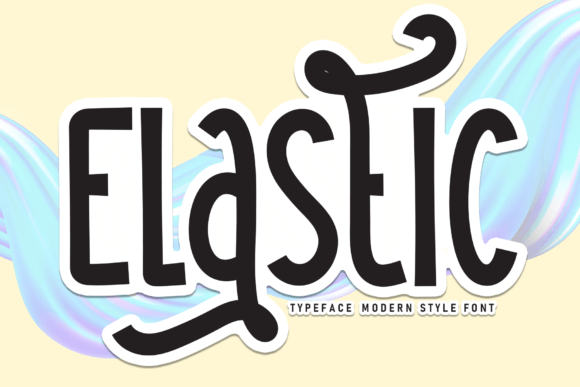
Elastic: A Sweet Script Font for Modern Web Design
As a web designer, choosing the right typeface can make or break a digital experience. Elastic stands out as a charming handwritten display font that brings personality and warmth to websites, landing pages, and digital products. Its soft curves and playful rhythm make it ideal for creative brands that want to feel approachable without sacrificing professionalism.
Design Characteristics of Elastic
Elastic is part of the Script Amp category, blending the organic flow of handwriting with digital polish. It’s a script font that feels spontaneous but remains legible across screens. The font’s bounce and variation in stroke weight add visual interest, especially in headers and call-to-action areas. Whether used for a wedding planner’s website or a boutique online store, Elastic conveys sincerity and creativity.
Best Use Cases in Web Design
This font works especially well in hero sections, logo text, and decorative accents. Its personality shines in short bursts, making it perfect for headlines, button text, and brand slogans. For example, a wellness coach’s landing page might use Elastic for the main headline, paired with a clean sans serif for body text to maintain readability. On portfolio sites or course sales pages, Elastic can introduce a section header with just the right amount of whimsy.
Readability and Visual Hierarchy
While Elastic is a decorative font, it maintains enough clarity to support visual hierarchy when used appropriately. It’s best reserved for large text elements like H1s and H2s where its character can shine without overwhelming the reader. Avoid using it for long-form content or small buttons, where legibility might suffer. On mobile screens, ensure adequate spacing and contrast, especially when placing Elastic over images or dark backgrounds.
Brand Tone and User Engagement
Typography shapes how users perceive a brand. Elastic brings a friendly, human touch that resonates well with lifestyle brands, creative studios, and service-based businesses. When used in social media graphics or email headers, it reinforces a brand’s warmth and approachability. For a digital brand kit, Elastic can serve as the signature typeface, complementing a more structured sans serif or serif font in supporting roles.
Font Pairing Tips for Digital Layouts
One of the most effective ways to use Elastic is in combination with a simpler font. Pair it with a modern sans serif like Montserrat or Open Sans for body copy, or with a serif like Playfair Display for editorial-style layouts. This contrast helps maintain a clear visual flow while letting Elastic stand out as a design accent. For e-commerce banners or product landing pages, use Elastic for the main title and a neutral font for descriptions and pricing.
Responsive Design and Accessibility
When integrating Elastic into responsive layouts, test its appearance across devices. On smaller screens, consider reducing its use to short phrases or stylized buttons. Ensure sufficient color contrast between the font and background, especially on image overlays. If using Elastic in a dark mode layout, opt for slightly bolder weights or increase letter spacing to preserve legibility.
Available Styles and Webfont Support
Before implementing Elastic on a live site, review the available styles and file formats. Most premium fonts include multiple weights, alternates, and ligatures that enhance typographic flexibility. Check if the font supports webfont formats like WOFF and WOFF2 for optimal performance. Multilingual support is also important if your audience spans beyond English-speaking regions.
Commercial Licensing and Usage
For web designers and digital product creators, licensing is a critical consideration. Make sure to obtain a commercial license when using Elastic for client websites, online stores, or downloadable templates. Some font licenses allow for unlimited web usage with a one-time fee, while others require subscription-based access. Always verify the terms to avoid legal issues, especially when embedding fonts into SaaS platforms or digital branding kits.
Practical Implementation Across Digital Projects
Elastic works beautifully in a variety of contexts. A creative portfolio site might use it for the project titles, giving each case study a distinctive flair. A boutique shop could feature Elastic in product banners and promotional emails to create a cohesive visual tone. Course creators and bloggers can apply it in header graphics or social media thumbnails to maintain brand consistency across platforms.